





Most happy mail starts the same way. A profile catches your eye, you write a short note, and a few weeks later something with a stamp on it lands in your mailbox. The hard part is choosing who to write to in the first place. A good pen pal search is not about finding the most fascinating stranger online. It is about finding a community with clear rules, then letting trust build one envelope at a time.
Start Where the Community Has Clear Rules
Pen pal communities come in several shapes, and they are not equally safe. The easiest place to begin is a postcard exchange, where you send a card to an address the platform assigns you and receive one from someone else. Your full name is not required, a return address is optional, and the whole thing is over once the card arrives. Postcrossing is the best-known example, and it works well as a low-stakes first step.
Beyond that, look at hobby forums built around stationery, fountain pens, journaling, or mail art. These groups tend to have older members, long posting histories, and moderators who care. Library letter-writing clubs, community center programs, and senior center exchanges are also worth asking about, because someone local is accountable for how they run. General social media groups are the weakest option. They attract genuine letter writers, but they also attract people who collect addresses and disappear.
What a Well-Run Group Looks Like
Before you post a message or fill in a profile, spend twenty minutes reading. You are checking for signs that someone is actually minding the place.
- Written rules about conduct, age limits, and what may be posted publicly.
- Moderators who reply when members ask questions or flag a problem.
- Profiles with a history: posts, swaps completed, a bio longer than one line.
- A reporting option that does not require you to confront anyone directly.
- No pressure to move to private messaging, texting, or off-site chat right away.
If a group has none of these, keep looking. There is no shortage of letter writers in the world.
Vet a Match Before You Share an Address
Once someone seems promising, exchange two or three messages through the platform itself. Nothing about this needs to feel like an interview. Simple, open questions do the work: what got you into letter writing, what do you usually write about, do you prefer long letters or short ones. Their answers tell you plenty about pacing and effort.
Small steps that protect you
Send a postcard first, not a letter with your street address on the back. If the conversation keeps going and the person seems consistent, consider a PO box from your local post office as a middle step. Minors should have a parent or guardian involved from the first message onward, and adults writing to a young person should expect the same.
Another quiet safeguard: tell one friend or family member who you are writing to, and keep the username or profile saved somewhere. It takes a minute and costs nothing.
Details to Keep Private at First
You can have a warm, real correspondence without handing over your life story in the first letter. Hold these back until you have months of reliable exchanges behind you.
- Your full legal name and your exact street address.
- Phone number, personal email, and social media handles.
- Where you work, your job title, and your daily schedule.
- Your children's names, ages, and school.
- Bank details, account numbers, or copies of any document with an ID number.
- Dates when your home will be empty.
If a letter ever needs to reach you before you are ready to share an address, ask a trusted friend whether you can use their address, or use a PO box. Gifts and money are a firm no in both directions, especially anything involving a fee, a courier charge, or a "small payment to release the parcel."
Red Flags Worth Taking Seriously
Most pen pals are exactly what they seem. When something feels off, though, it usually shows up early and in a pattern.
- Requests for money, gift cards, or help with a delivery fee.
- Declarations of deep affection within days, often paired with a request for photos.
- Refusal to answer basic questions about themselves while asking many about you.
- Repeated pressure to move to private chat, a phone call, or a meetup.
- Stories that shift slightly each time they are told.
One odd message is not proof of anything. A pattern is different. Stop replying, block the account, and report it to the platform. You owe no explanation to someone who makes you uneasy.
Set Your Own Rules and Let Trust Build
Decide what you want before you start writing. Are you after two letters a year or one a month? Do you want to swap stickers and tea, or do you want a long letter about books and weather? Saying this in your profile saves everyone time and prevents the slow disappointment of mismatched expectations.
Then let trust grow in proportion to how long someone has been consistent. Twelve letters across a year, each arriving when they said it would, is a far better sign than one enthusiastic letter that promises everything. If a correspondence fades, that is normal too. Not every mailbox friendship lasts, and you are allowed to stop writing at any point without a formal goodbye.
Your First Three Letters
Here is a simple way to start this week.
- Join one postcard exchange and one moderated hobby forum. Read the rules in both.
- Write a profile that says what you like to write about and what you would rather keep small talk.
- Send a postcard to your first match, with your first name only and no return address. See how the reply feels before you decide on anything else.
Then keep a small box for what comes back. A safe pen pal search is slow by design, and that slowness is the point. The letters that last are the ones you had time to earn.
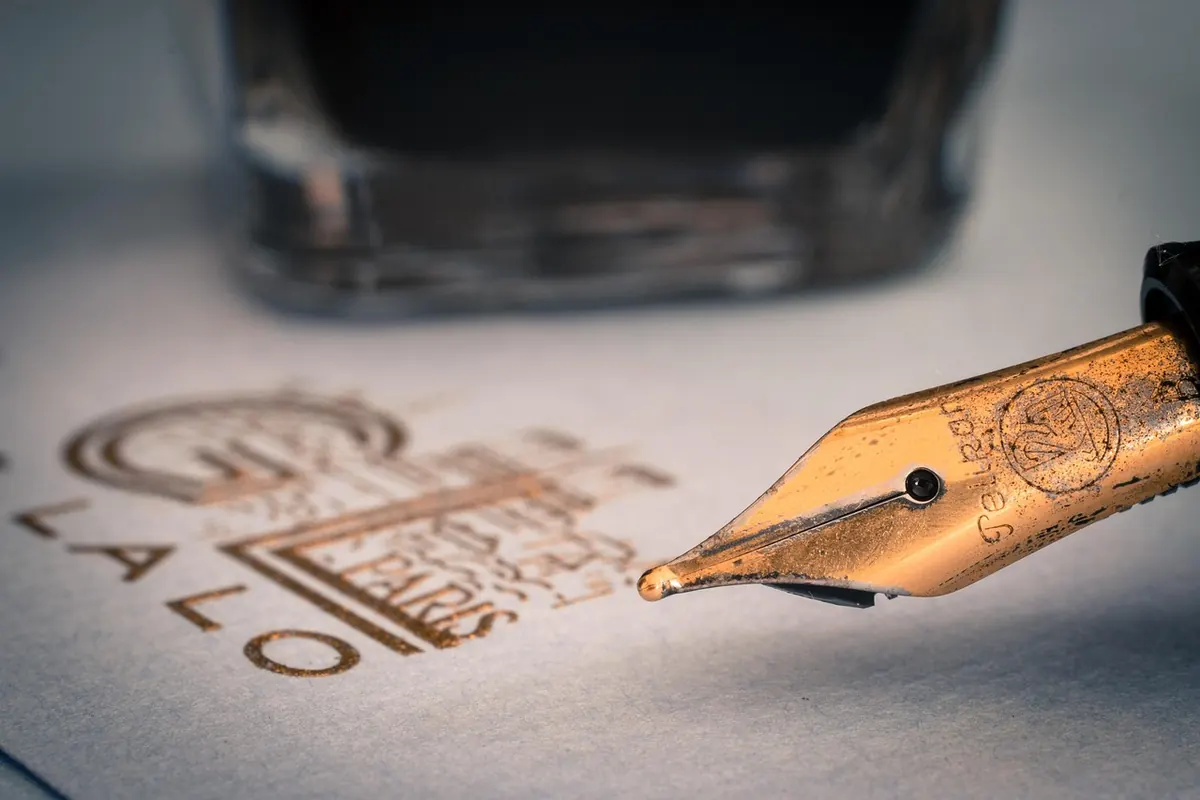
Photo: StockSnap / Pixabay